01
Understand before building
Learn how the operation works before deciding what technology it needs.
About Solveer
Solveer Dynamics is a Canadian technology consulting company founded on a simple idea: technology delivers the most value when it is designed around how manufacturing actually works.
The experience behind Solveer comes from years of working directly within manufacturing environments and designing and delivering technology solutions across operations in Canada and Latin America.
Manufacturing first. Technology second.
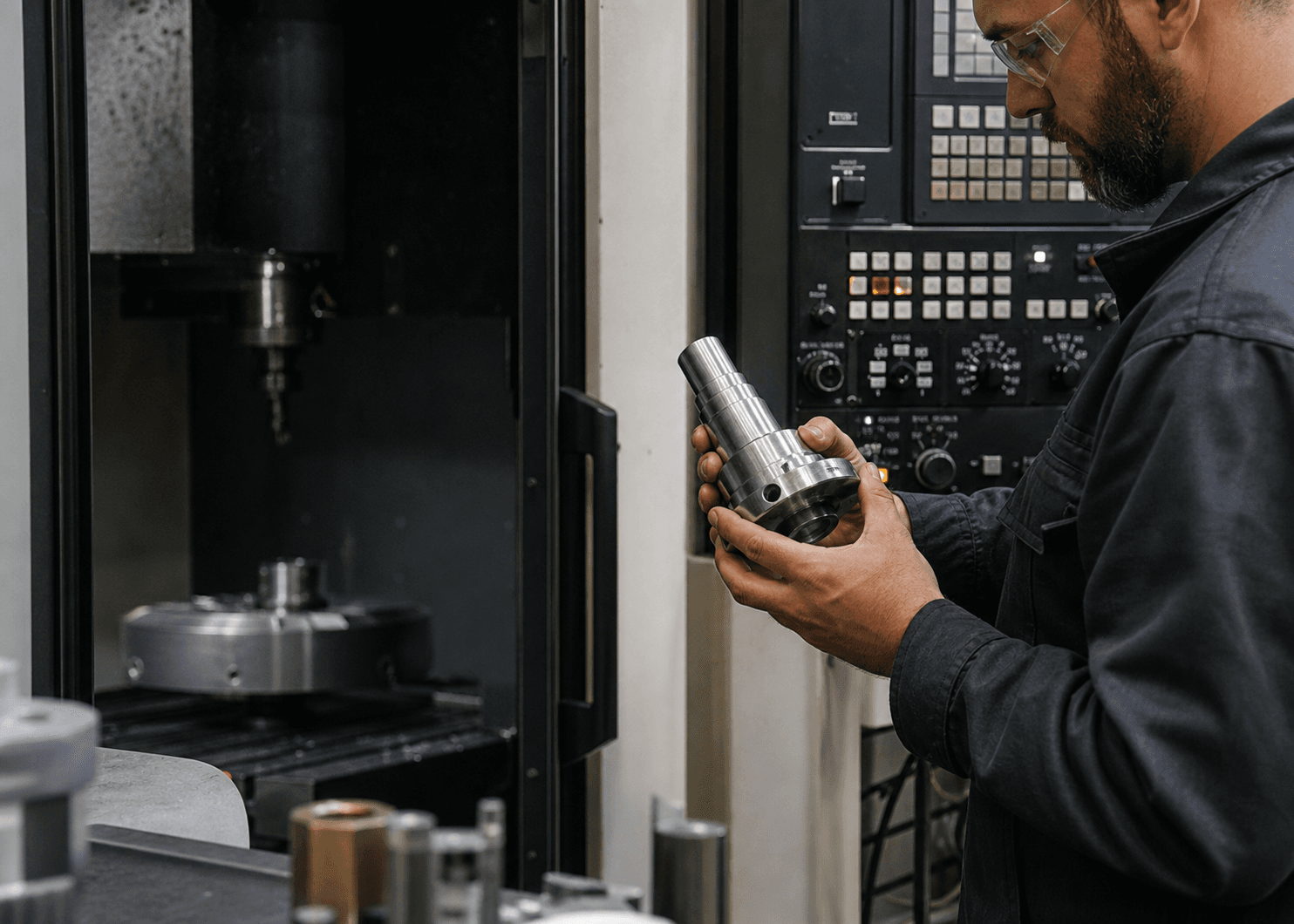
The work behind the systems
Why Solveer exists
Manufacturers rarely start with a blank slate.
An operation may depend on an ERP, production systems, spreadsheets, reporting tools, custom applications, email, and legacy systems that have evolved over time.
The challenge is not always to replace everything.
Often, the more useful questions are:
Solveer exists to help answer those questions with a practical understanding of manufacturing operations and the engineering discipline to improve the systems around them.
The right technology decision begins with understanding the work.
Experience across the operation
The experience behind Solveer spans the connected layers of a manufacturing operation.
Understanding those layers makes it possible to see relationships that individual systems or departments often cannot see on their own.
Manufacturing operations
Production · Planning · Inventory · Materials · Shop floor
Business systems
ERP · Dynamics 365 · Systems integration · Business processes
Software engineering
Custom applications · .NET · SQL · APIs · Automation
Operational intelligence
Production visibility · Reporting · KPIs · Power BI · Data integration
The value is not in knowing a list of technologies. It is in understanding how the systems, processes, and people depend on one another.
Connected operational perspective
Manufacturing technology problems often cross the boundaries between systems and departments.
A change at the shop floor can affect ERP data. ERP processes can affect production. Production information can affect planning. Data architecture can affect management visibility.
Solveer approaches these as connected operational systems rather than isolated technology projects.
Management
Decisions are informed
Information & visibility
Data & reporting
Information is organized
Work & decisions
ERP / business systems
Processes are coordinated
Information & visibility
Production systems
Activity is recorded
Work & decisions
Shop floor
Work begins
Information & visibility
The goal is not to connect everything for its own sake. It is to make the right information available to the people who need it, in a way that supports better work and better decisions.
One operational change can move through the entire business.
Experience across manufacturing environments
The professional experience behind Solveer includes manufacturing technology work across Canada and Latin America.
That experience has involved different facilities, systems, processes, levels of automation, and operational requirements.
Some operations need better integration. Others need clearer production information, a more practical workflow, a focused application, or a better way to use systems already in place.
The common thread is the need to understand the operation before deciding what technology should do.
Different environments
One consistent approach
Experience across different manufacturing environments helps us recognize common patterns while respecting the realities of each operation.
How we think
Manufacturing technology should make the operation clearer, more connected, and easier to manage.
It should not add unnecessary complexity or create another system that people have to work around.
01
Learn how the operation works before deciding what technology it needs.
02
Technology should remove friction rather than introduce another layer of it.
03
Existing systems may still have significant value. Sometimes the right answer is integration, not replacement.
04
A solution only creates value when people can use it effectively in the real operation.
Practical judgment is part of the solution.
The experience behind Solveer
Manufacturing technology experience
Operations · Systems · Software · Data
Winnipeg, Manitoba
Solveer brings together professionals with experience across manufacturing operations and the technology that supports them.
That experience includes software architecture and development, ERP implementation and integration, Microsoft Dynamics and Dynamics 365, custom manufacturing applications, operational visibility, process automation, and systems integration.
Working across Canada and Latin America, the professionals behind Solveer have supported manufacturing environments where production, business systems, data, and people need to work together.
We approach each engagement as a practical collaboration: understand the operation, identify what is getting in the way, and apply technology where it can create a better way to work.
Start a conversation
If something in your operation takes too much manual effort, depends on disconnected systems, or simply does not work as well as it should, let's talk about it.
Discuss your operation